
Rise
Sherin Guirguis’s richly colored artworks reflect the countless individuals who have migrated to the area, many of whom have risen above tremendous obstacles.
Sherin Guirguis’s richly colored artworks reflect the countless individuals who have migrated to the area, many of whom have risen above tremendous obstacles.
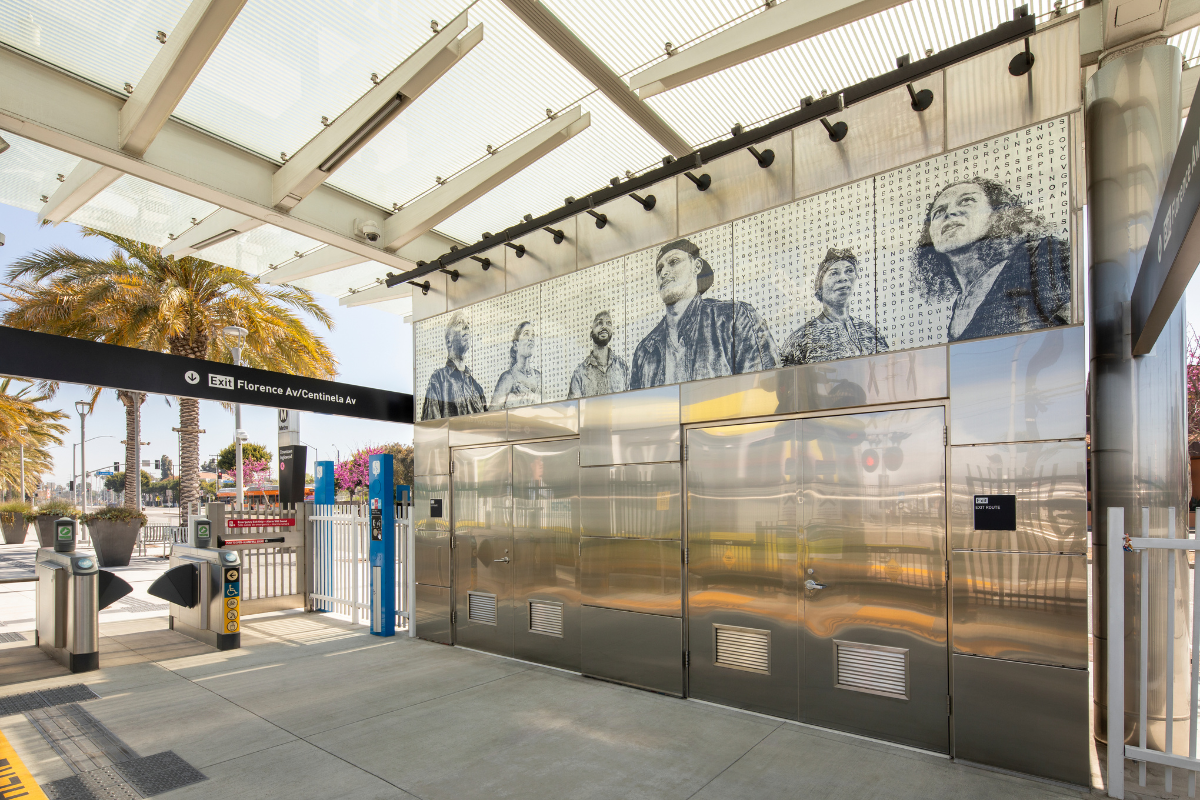
Kenturah Davis created Sonder with the aim to encourage connections between strangers, even temporarily while riding transit.
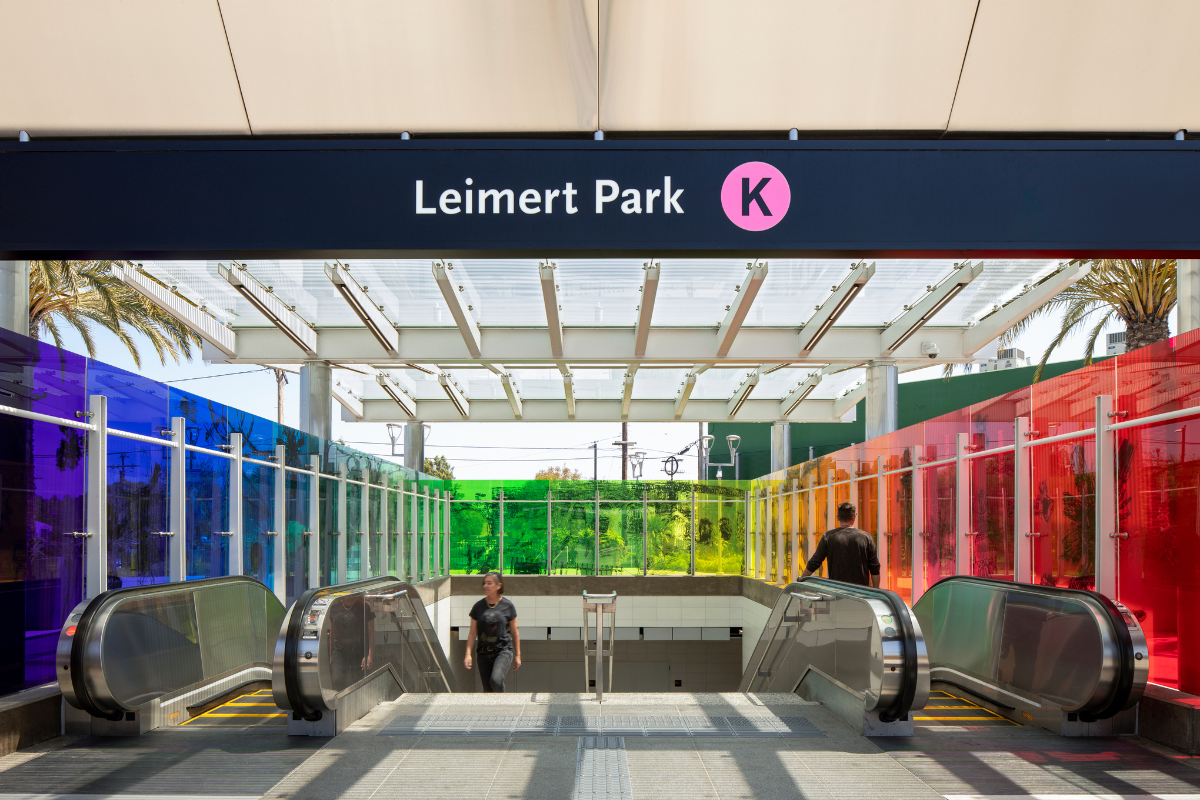
Ingrid Calame collaborated with youth through the RightWay Foundation to create rubbings of the physical environment—from furniture and instruments to architectural elements such as doorways and signs, all found in the neighborhood.
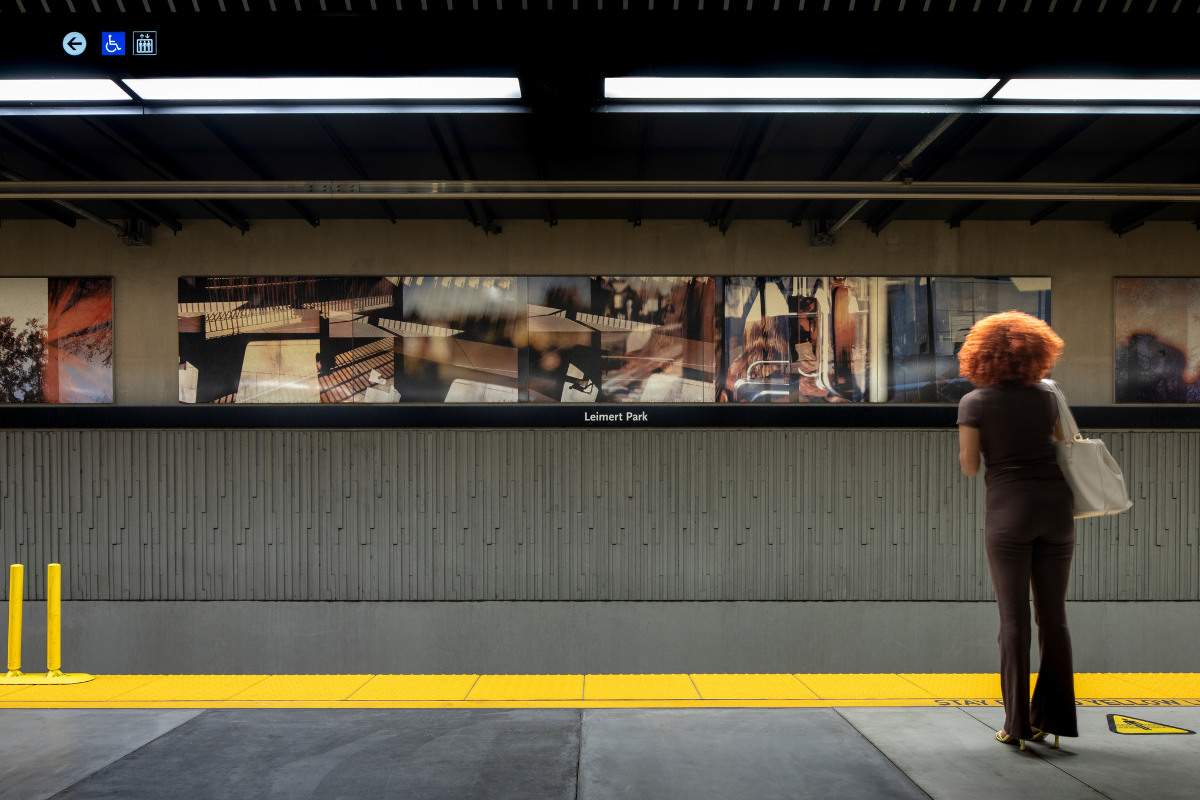
Dean Erdmann’s porcelain enamel art panels depict double-exposed photographs of natural elements in Leimert Park interspersed with images of the transit environment.

Mickalene Thomas’s mosaic was inspired by the quality of light, cultural and visual richness, and iconic structures in the surrounding Leimert Park neighborhood.
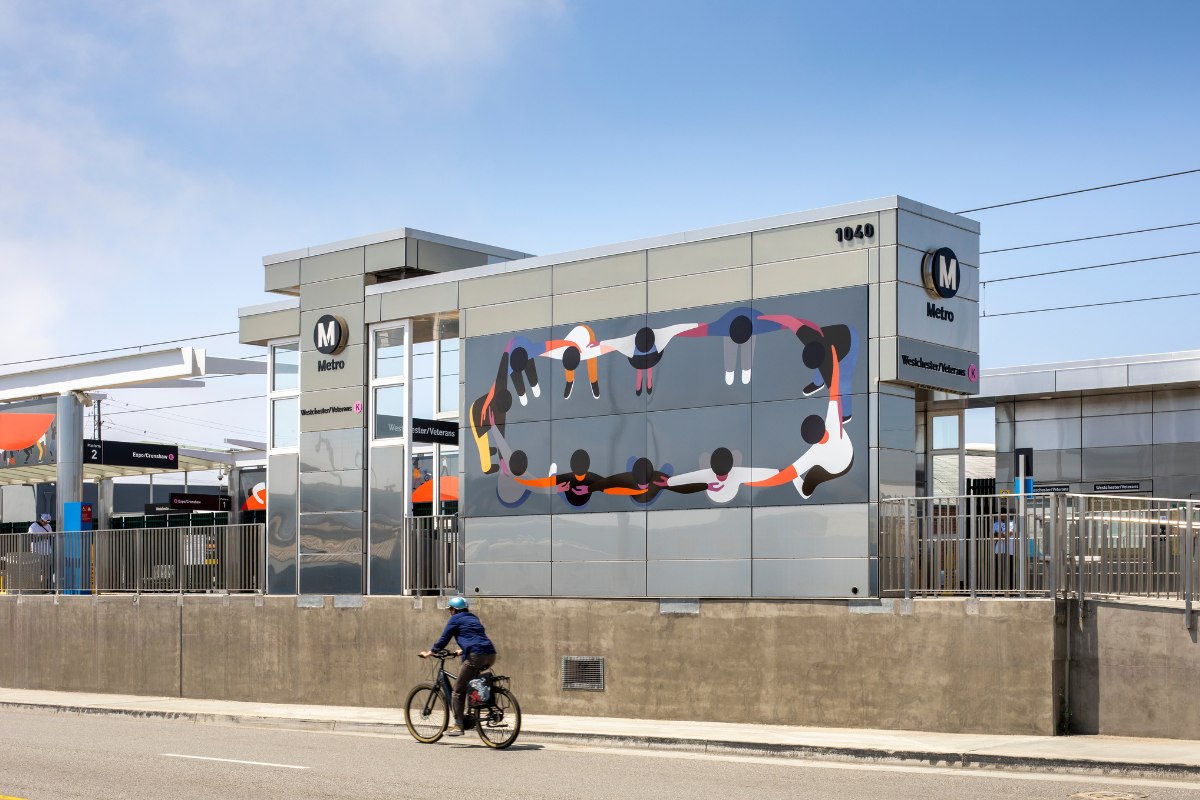
Rendered with bold, flat colors on a stark backdrop, Geoff McFetridge’s striking artworks depict communities of people interacting with large abstract shapes.

Eileen Cowin aims to spark the imaginations of transit riders through a poetic juxtaposition of photographic vignettes inspired by the potential stories of passersby.
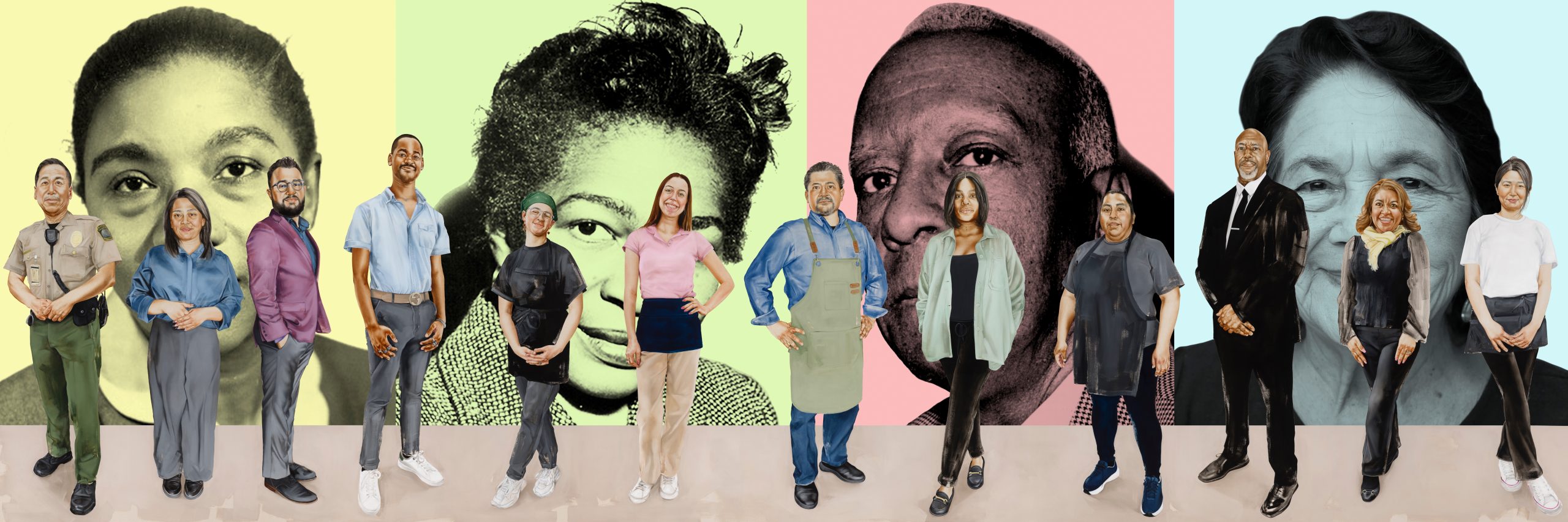
Meleko Mokgosi’s platform level station artwork will recognize everyday people who work in Beverly Hills. The artwork will celebrate both the important work of historic labor leaders who fought for worker’s rights, and contemporary workers

Rigo 23’s artwork engages Beverly Hills’ history as Tongva land and a place called “a gathering of waters.” In the artwork, water will be depicted in different stages of stillness and motion, animated as the Metro rider walks by. A waterscape framed by plant life strengthens connectedness to the natural world and history’s slower tempo, while also offering a respite from the hustle and bustle of the commute. Enlarged portraits of indigenous plants represent gifts to Spanish explorer Portola’s expedition by local Tongva representatives, a gesture of welcoming and generosity at the center of Los Angeles’ origin story. This generosity would not be reciprocated by the waves of European arrivals. The Tongva people and their culture were nearly erased by foreign cultural and religious impositions as well as the introduction of diseases to which the locals had no defenses. This project aims to contribute to the reversal of a multi-century long process of erasure, forgetting and replacing.
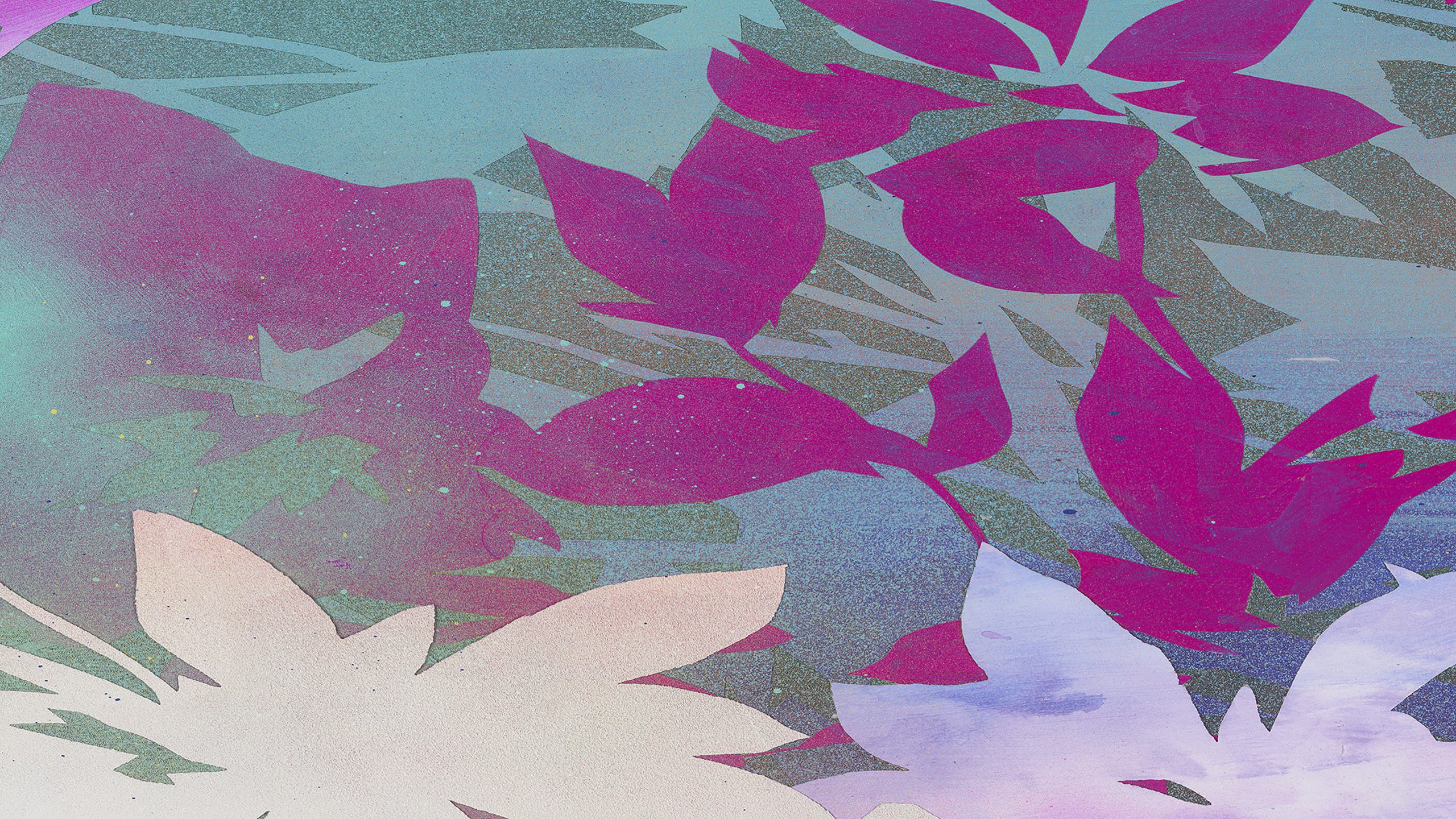
Devon Tsuno is creating an artwork for the entrance of the station that speaks to agricultural history in Southern California and the role of Japanese American gardeners.

Eddie Rodolfo Aparicio uses amber as a metaphor for preserving history and elevating workers’ stories in his artwork for the concourse, which will be fabricated in mosaic. Amber is a natural substance that traps and protects historic material for millions of years, and it is a luxury gemstone.

Sarah Cain’s artwork for the station’s entrance is intended to be a welcoming, oasis of color and design in contrast to the density of metallic high-rise buildings in Century City.

Phung Huynh explores the origin story of Century City through her unique approach of urban folklore and community voices. The artwork will include portraits of recognizable actors from the area’s early history as a film studio back lot and renowned architects who built Century City, as well as everyday people who work and own businesses in the area.
Oscar Magallanes was inspired by Century City’s history in the motion pictures industry. Their design for the station artwork weaves together a narrative of stories told through film and the complex histories of the communities surrounding the future station.

Analia Saban is creating a semi-fictional underground world constructed in geologic layers of color and texture. Buried in the layers, riders will find an unexpected montage of objects from symbols of local culture to prehistoric fossils found during Metro’s station excavation.
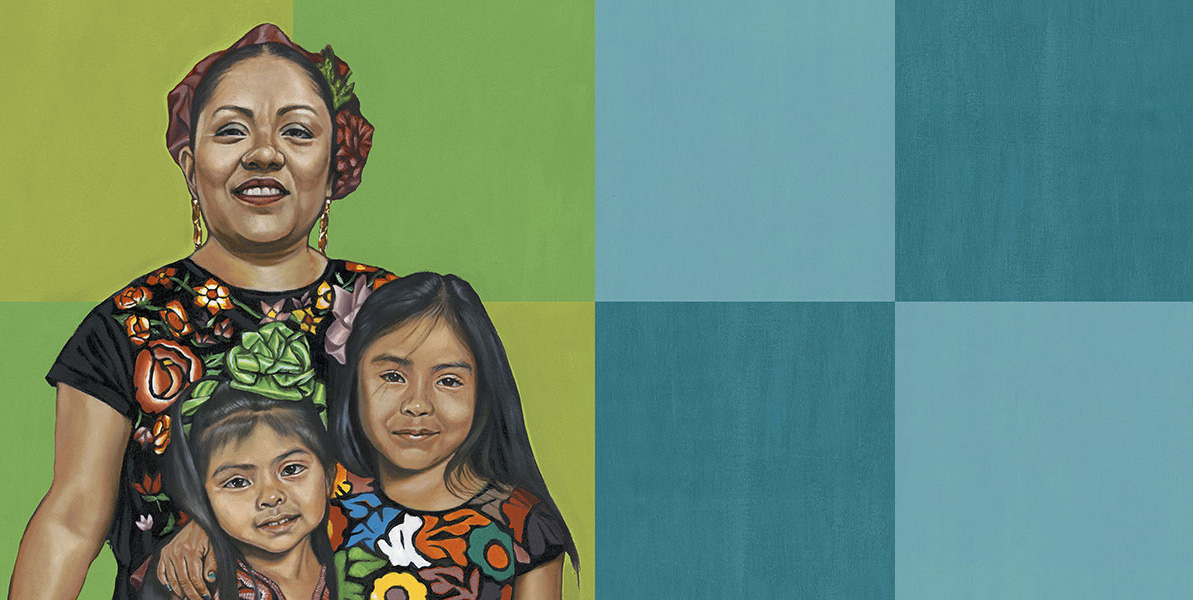
Moses X Ball’s inspiration for his design of the platform artwork is driven by his experiences growing up in South Central Los Angeles and riding public transit to visit the museums along Wilshire Boulevard at a young age.
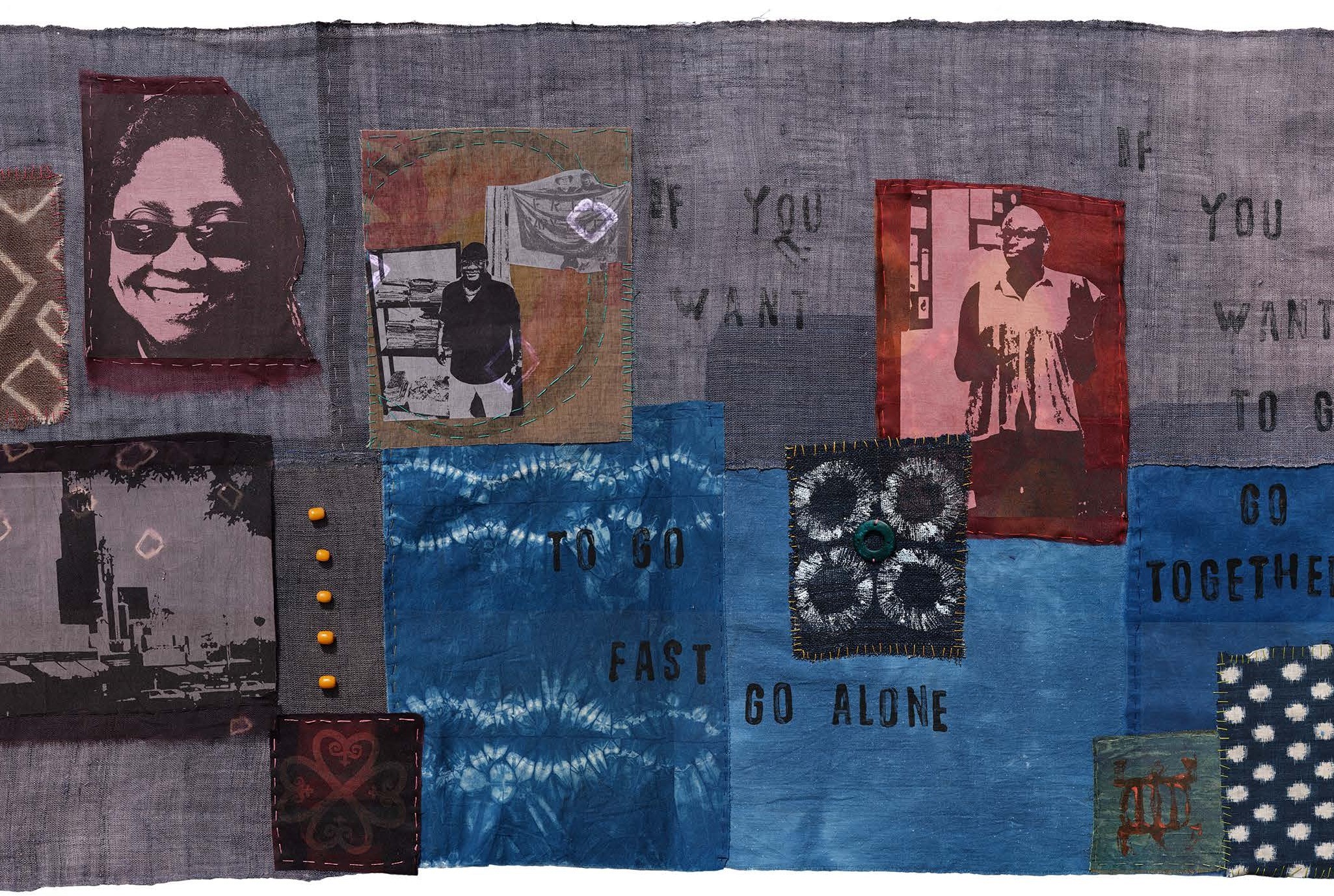
Karen Hampton’s artwork for the Northeast Entrance draws inspiration from her childhood experiences riding the RTD bus along Wilshire Blvd, examining how travel can broaden one’s access to different cultures.

Yunhee Min’s artwork is grounded in the idea that cultural institutions create a sense of shared identity and community.

Gala Porras-Kim’s artwork for the main station entrance will depict a selection of objects sourced from The Fowler Museum at UCLA that reflect the cultures and histories of various communities in the surrounding area.

iris yirei hu’s tile mosaic artwork will call attention to the native flora, fauna, and wildlife of Southern California, along with their seasonal shifts and the cycles of life and death.
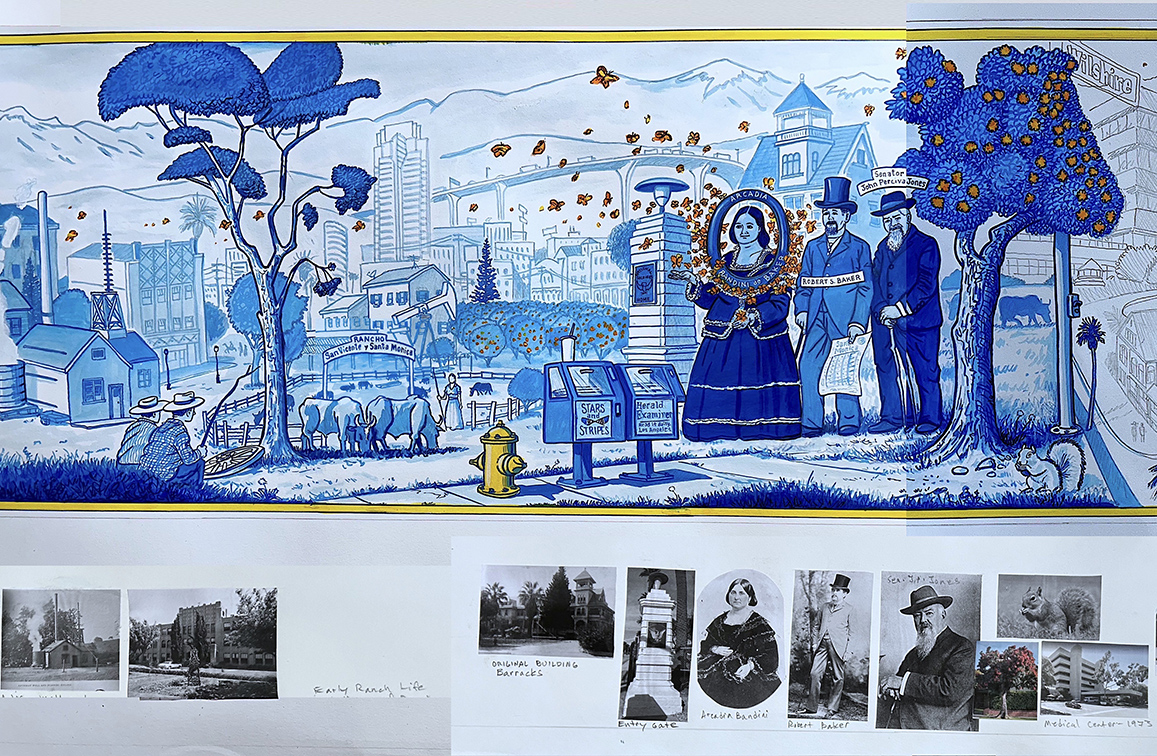
Sandow Birk’s artwork will depict a panorama of Los Angeles over 150 feet long focusing on the area around the future station and beyond. The scene spans millennia, as prehistoric creatures roam past historic and contemporary buildings such as the Wadsworth Chapel, the oldest building on Wilshire Blvd., the gates to the VA with the National Soldiers Home plaques, and the main hospital at the West LA VA Medical Center that was built in 1977.

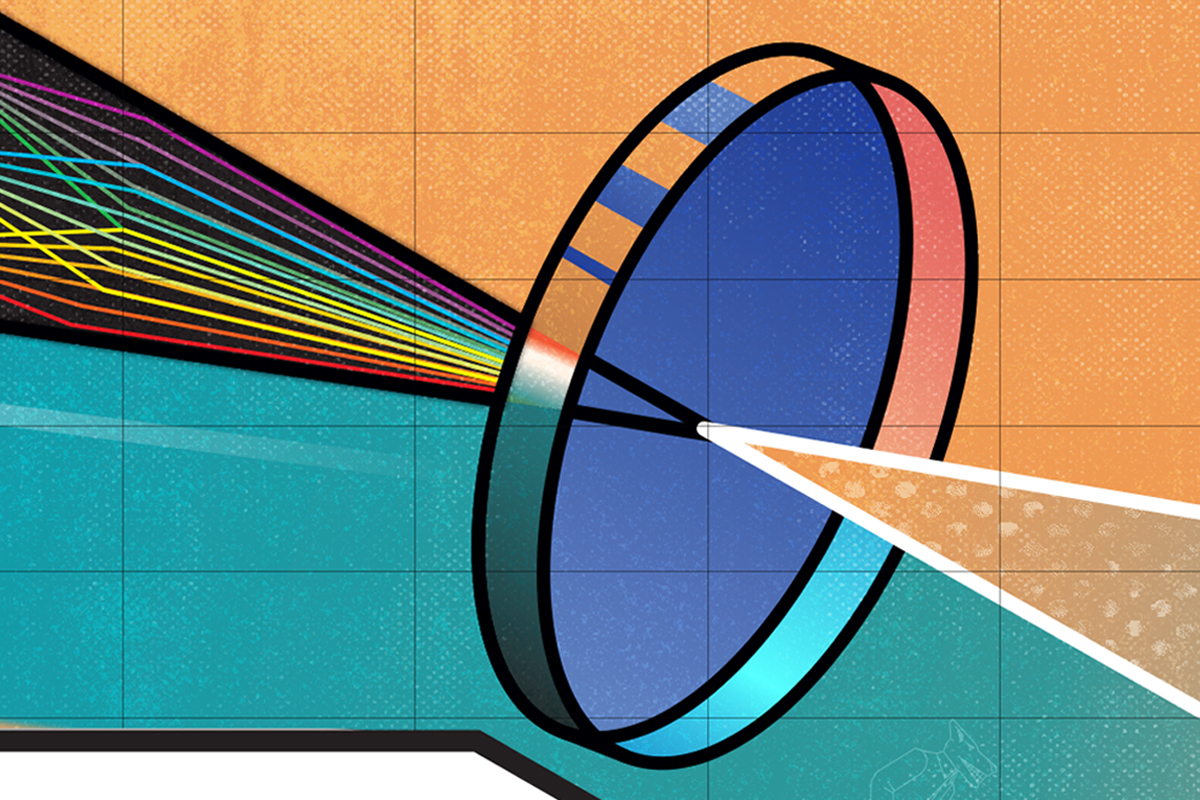
Victoria Fu and Matt Rich’s site-responsive design imagines the glass entryway as a prism-like object that will refract light and images down into the station.

For the ticketing area of the Westwood/VA Station, Francesco Simeti is creating a series of collaged images that will be translated into glass tiles. His design incorporates icons of Los Angeles architecture with flora from the surrounding area, including the West Los Angeles VA Medical Center campus and the UCLA Mildred E. Mathias Botanical Garden, creating a harmonious, monumental landscape.

Eloy Torrez’s artwork will highlight the individuality of Veterans and their unique experiences. To create the artwork design, Torrez interviewed Veterans from the Greater Los Angeles area about their pre-military, military and post-military lives.
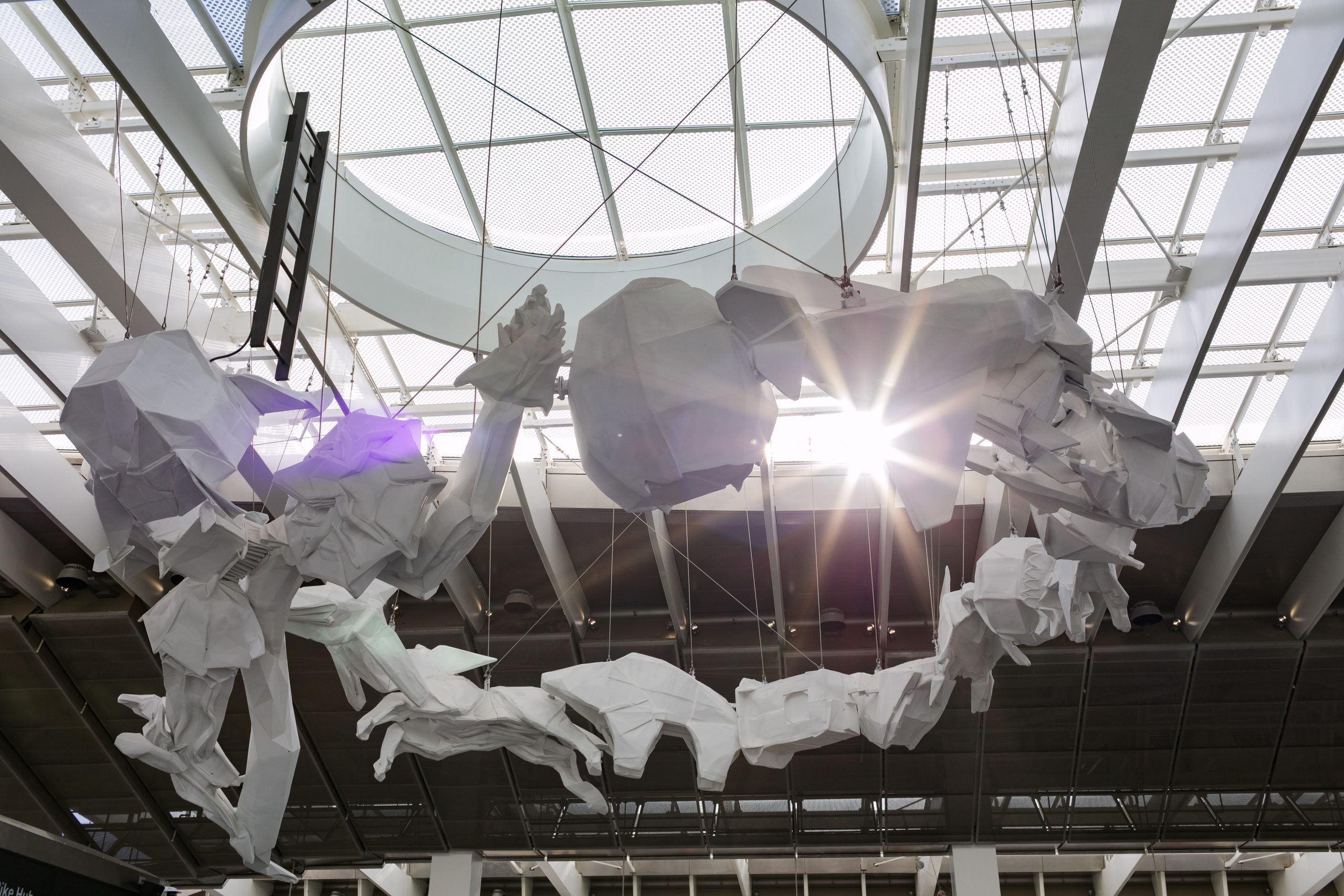
Metro’s LAX/Metro Transit Center Station is a major new multimodal transit hub that will provide a gateway connection between Los Angeles International Airport (LAX) and Metro’s regional transit system. LAX/MTC is part of the K Line, near Aviation Blvd/96th Street, and is designed in sync with an Automated People Mover (APM) being built and operated by Los Angeles World Airports (LAWA). Read more about the transit project here.